Exceptional, but not alone: The collective strength behind Nordic alcohol policy
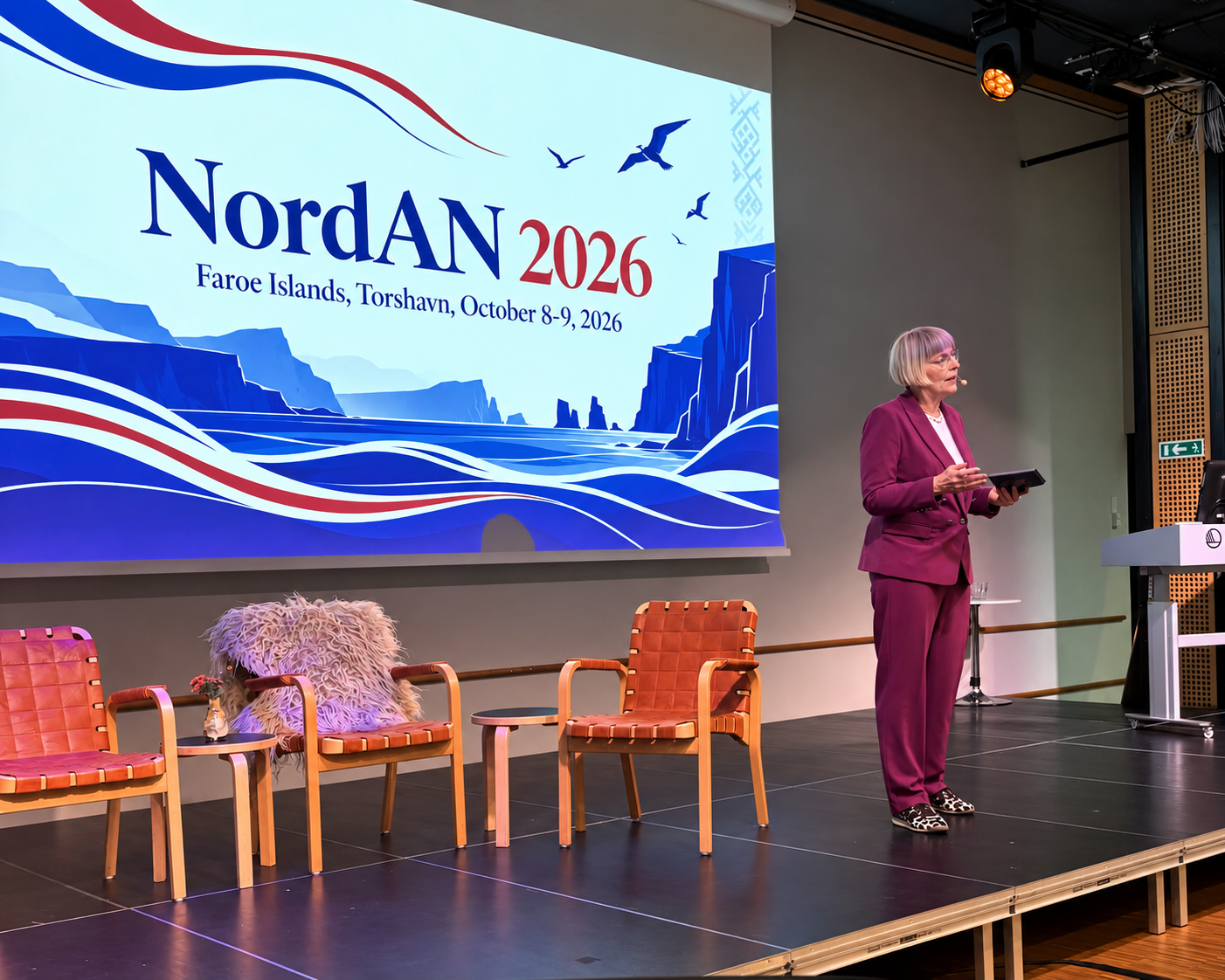
Tórshavn, Faroe Islands, 9 October 2026 – Nordic alcohol policy is often described as exceptional in Europe. Yet this distinctive approach is far from an isolated undertaking. At the NordAN annual conference in Tórshavn on 8–9 October, participants from across the Nordic countries brought together policymakers, researchers, civil society organisations and prevention professionals around a shared commitment to reducing alcohol-related harm.
In particular, researchers from universities across the Nordic and Baltic countries contributed research findings and academic expertise to discussions on alcohol policy. Their work helps explain the effects of alcohol on health and society and provides a basis for assessing policies designed to reduce harm. By connecting research across countries, they contribute to a shared evidence base for alcohol prevention.
Furthermore, civil society organisations brought expertise from prevention and public health, connecting research with the realities faced by communities and advocating for policies that reduce alcohol-related harm. Their participation demonstrated the breadth of organisations working towards this goal and the value of sharing experience across national borders.
Public officials connected these discussions with policy development and implementation. Civil servants from the Faroese Ministry of Health and the Ministry of Social Affairs and Housing attended alongside Margit Stóra, Minister of Internal Affairs and Housing. The Nordic countries also brought experience of public alcohol retail monopolies and restrictions on availability, which aim to limit alcohol-related harm and keep commercial interests at a distance from alcohol sales. Although national systems differ, this experience provides a basis for policymakers to exchange lessons across borders.
The Nordic approach may be distinctive in Europe, but it rests on a broad foundation of research, civil society engagement and political involvement. Together, they demonstrate that alcohol prevention is not the responsibility of isolated countries or individual champions, but a shared effort backed by expertise and commitment across the region.